

 Portugues
 Pусский
 العربية
 中文

automotive wiper blade
An automotive wiper blade is an essential component designed to maintain clear visibility for drivers by removing rain, snow, dirt, and other debris from the windshield. It plays a critical role in vehicle safety because a clean and unobstructed windshield allows the driver to see the road, traffic signals, pedestrians, and surrounding conditions more clearly. Although it is a relatively small part of a vehicle, its importance should not be underestimated.A typical wiper blade consists of a flexible rubber or silicone wiping strip attached to a supporting frame or beam structure. When the wiper system is activated, the blade moves back and forth across the windshield, sweeping away moisture and contaminants. The blade must maintain consistent contact with the curved surface of the glass in order to clean effectively. For this reason, its design needs to balance flexibility, pressure distribution, and durability.There are several common types of automotive wiper blades. Traditional framed wiper blades use a metal or plastic frame with multiple pressure points to hold the rubber strip against the windshield. Beam blades, on the other hand, feature a sleek, frameless design that uses a curved spring steel core to apply even pressure across the entire length of the blade. Hybrid blades combine the advantages of both styles, offering the aerodynamic shape of a beam blade with the support structure of a traditional blade. Each type is suited to different driving conditions and vehicle designs.Material quality is one of the most important factors in wiper blade performance. The wiping edge is usually made from natural rubber, synthetic rubber, or silicone. Natural rubber provides good wiping performance and is cost-effective, but it may wear out faster under extreme temperatures and prolonged UV exposure. Silicone blades tend to last longer and perform well in harsh weather, while also reducing noise and streaking. The supporting components must also resist corrosion, cracking, and deformation to ensure long-term reliability.Weather resistance is a major requirement for automotive wiper blades. In heavy rain, the blade must remove water efficiently without leaving streaks or smears. In winter, it must remain flexible enough to handle ice, snow, and low temperatures. In hot climates, it must withstand sunlight and heat without hardening or losing shape. A well-designed wiper blade improves driving comfort by reducing vibration, chatter, and noise during operation.Proper maintenance is necessary to extend the life of a wiper blade. Over time, the rubber edge can become worn, hardened, or damaged by dirt and weather exposure. Drivers should inspect their wiper blades regularly and replace them when cleaning performance declines. Keeping the windshield clean and avoiding dry wiping can also help prevent premature wear.In conclusion, an automotive wiper blade is a small but vital safety part that directly affects driving visibility and overall road safety. Its design, material, and durability all contribute to effective performance in different weather conditions. Reliable wiper blades help ensure a clearer view and a safer driving experience in everyday use.
Products
Category:
-
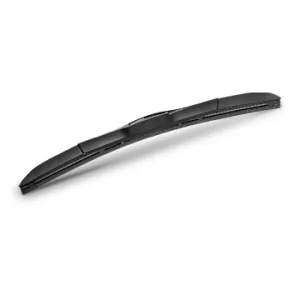
703S Three-Section Universal Wipers – Flexible Multi-Fit Windshield Wiper Blades with Stable Three-Segment Design
Category: Three-section Universal WipersBrowse number: 1071Number:Release time: 2026-03-10 08:31:31This guide details modern universal wiper technology centered on 703S three-section wiper blades. It covers wiper evolution, segmented structure, raw materials, technical parameters, all-weather performance, testing standards, installation, advantages and comparisons with other wiper styles across multiple vehicle applications. -
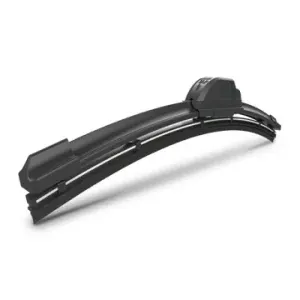
Soft Wiper Blade – Premium Flexible Windshield Wiper Solution for Clear Visibility
Category: Boneless Universal WipersBrowse number: 758Number:Release time: 2026-07-01 11:05:26Soft wiper blade is an advanced windshield wiping solution designed for modern vehicles. Featuring flexible rubber technology, aerodynamic structure, and excellent windshield contact, it delivers smooth, quiet, and streak-free wiping performance. Ideal for cars, SUVs, and commercial vehicles, it ensures reliable visibility and safer driving in all weather conditions.
News
Category:
-
[Product Tips]Automotive Wiper Blades for Global Automotive Markets
2026-10-26 09:18:16
Case
Category:
No search results found!
Video
Category:
No search results found!
Download
Category:
No search results found!
Job
Category:
No search results found!
Featured Products
No search results found!



 WhatsApp
 Phone