

A Rear Windshield Wiper is an essential component for vehicles equipped with a rear window, including SUVs, hatchbacks, station wagons, vans, crossovers, and some trucks. Unlike front wipers, the rear wiper is designed to clear rain, dirt, road spray, snow, and debris from the back glass, improving rearward visibility and driving safety.
This product detail page provides a comprehensive overview of Rear Windshield Wipers, including features, specifications, applications, installation guidance, maintenance tips, and selection recommendations.

A rear windshield wiper is a motor-driven blade mounted on the rear glass of a vehicle. It works together with the rear wiper arm and wiper motor to sweep moisture and contaminants away from the rear window. Rear wipers are especially useful in wet climates, dusty environments, and winter conditions.
① Improve rear visibility during rain or snow.
② Remove road grime and spray.
③ Increase driving safety when reversing or changing lanes.
④ Reduce driver distraction caused by a dirty rear window.
| Feature | Description |
| High-Quality Rubber Blade | Provides smooth wiping performance and reduces streaking. |
| Aerodynamic Design | Minimizes wind lift and noise during operation. |
| Corrosion-Resistant Frame | Suitable for humid, rainy, and coastal environments. |
| UV-Resistant Materials | Helps extend service life under sunlight exposure. |
| Easy Installation | Compatible with common rear wiper arm connector types. |
| All-Weather Performance | Designed for use in rain, snow, mud, and dust conditions. |
| Parameter | Typical Value |
| Product Type | Rear Windshield Wiper Blade |
| Blade Length | 8"–16" (200–400 mm) |
| Material | Natural Rubber / synthetic rubber / silicone (optional) |
| Frame Material | Plastic, steel, or hybrid construction |
| Operating Temperature | -40°C to +80°C |
| Application | SUV, hatchback, wagon, van, crossover, truck |
| Installation Method | Clip-on or vehicle-specific fitment |
| Service Life | Typically 6–12 months depending on conditions |
Note: Exact dimensions and connector types vary by vehicle model. Always verify fitment before purchase.
A quality rear windshield wiper maintains a cleaner rear window, especially during heavy rain or when driving on wet roads.
Premium rubber compounds provide smoother wiping action with less chatter and squeaking.
UV-resistant materials and durable construction help the blade maintain performance over time.
Improved visibility can help drivers detect vehicles, pedestrians, and obstacles more effectively when reversing or changing lanes.
Rear windshield wipers are commonly used on:
① SUVs
② Hatchbacks
③ Station wagons
④ Crossovers
⑤ Minivans and MPVs
⑥ Commercial vans
⑦ Some pickup trucks with rear glass wipers
Vehicles with a vertical or near-vertical rear window benefit the most from rear wipers because water and dirt tend to accumulate more easily on these surfaces.
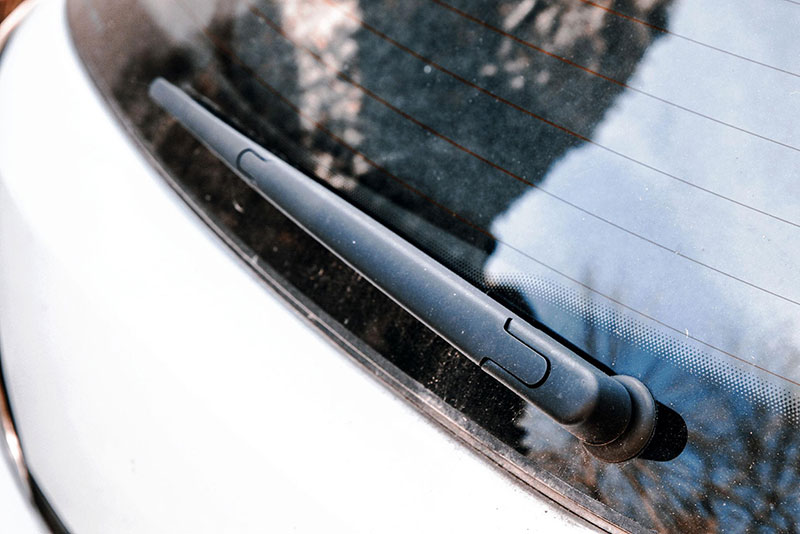

Measure the existing blade or consult the vehicle manufacturer's specifications.
Rear wipers often use vehicle-specific connectors. Ensure compatibility with the rear wiper arm.
Natural rubber: cost-effective and widely used.
Synthetic rubber: improved durability.
Silicone: excellent weather resistance and longer lifespan.
For hot or sunny regions, UV-resistant blades are recommended.
For snowy regions, choose all-weather or winter-rated blades.
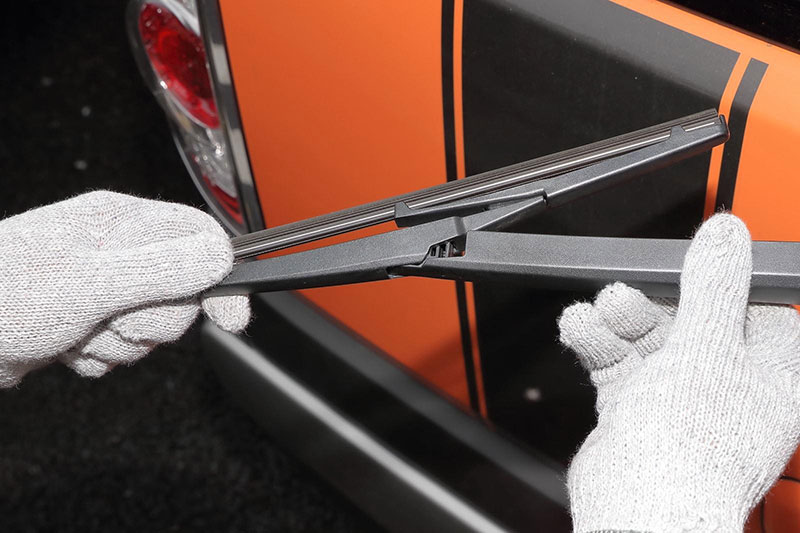
① Lift the rear wiper arm away from the glass.
② Press the release tab or unlock the connector.
③ Slide the old blade out of the arm.
④ Insert the new rear windshield wiper blade into the connector.
⑤ Ensure it locks securely into place.
⑥ Lower the wiper arm gently onto the rear glass.
⑦ Test the wiper for proper operation.
Safety Tip: Never let the wiper arm snap back onto the glass without a blade installed, as it may damage the rear window.

① Clean the blade regularly with a damp cloth.
② Remove dirt, sand, and debris from the rear glass.
③ Avoid operating the wiper on a dry, dirty window.
④ Replace the blade if you notice streaking, skipping, cracking, or noise.
⑤ Inspect the rear wiper arm and motor periodically for proper function.
For most drivers, replacing the rear windshield wiper every 6–12 months helps maintain optimal performance.
| Problem | Possible Cause | Solution |
| Streaking | Worn or dirty blade | Clean or replace the blade |
| Squeaking | Hardened rubber or dry glass | Clean the glass and replace the blade if needed |
| Skipping | Damaged blade edge or uneven pressure | Replace the blade and inspect the wiper arm |
| Poor cleaning | Incorrect blade size or worn rubber | Install the correct size and replace the blade |
| No movement | Motor, fuse, or linkage issue | Inspect the rear wiper system |
| Feature | Rear Wiper | Front Wiper |
| Typical Blade Count | 1 | 2 |
| Blade Size | Smaller | Larger |
| Primary Purpose | Rear visibility | Forward visibility |
| Vehicle Coverage | SUVs, hatchbacks, vans, wagons | Nearly all vehicles |
| Operating Frequency | Less frequent | More frequent |
This rear windshield wiper is suitable for:
① Automotive aftermarket distributors
② Auto parts retailers
③ Repair shops and service centers
④ Fleet operators
⑤ Vehicle owners seeking reliable rear visibility
A high-quality rear windshield wiper is a small but important component that contributes directly to driving safety and convenience. Whether used on an SUV, hatchback, wagon, or van, a durable rear wiper blade helps maintain a clear rear view in rain, snow, and dirty road conditions.
When selecting a rear windshield wiper, focus on correct fitment, durable materials, and all-weather performance. Regular inspection and timely replacement will ensure consistent wiping efficiency and long-term reliability.
For vehicle owners, repair shops, and automotive distributors, investing in a reliable rear windshield wiper is a practical way to improve visibility, safety, and customer satisfaction.
This website uses cookies to ensure you get the best experience on our website.

 Portugues
 Pусский
 العربية
 中文



 WhatsApp
 Phone