

When you are behind the wheel in a downpour, a sudden snow squall, or a muddy spray from the truck ahead, nothing matters more than a clean windshield. Your wiper blades are the unsung heroes of road safety, and choosing the right type can mean the difference between a tense, squint-eyed drive and a relaxed journey with crisp, clear vision. For modern drivers, the flat wiper blade – also widely known as the beam wiper blade or frameless wiper blade – has become the gold standard. Its sleek design, exceptional all-weather performance, and remarkably quiet operation have made it the factory-installed choice for most new vehicles and a top-selling upgrade for older cars.
In this comprehensive product introduction, we will explore exactly what a flat wiper blade is, how its innovative engineering works, the tangible benefits it brings to your daily drive, and how to select the perfect set for your vehicle. Whether you are a seasoned auto enthusiast or simply a driver who refuses to compromise on safety, this guide will explain why upgrading to flat wiper blades is one of the smartest, easiest, and most cost-effective decisions you can make.
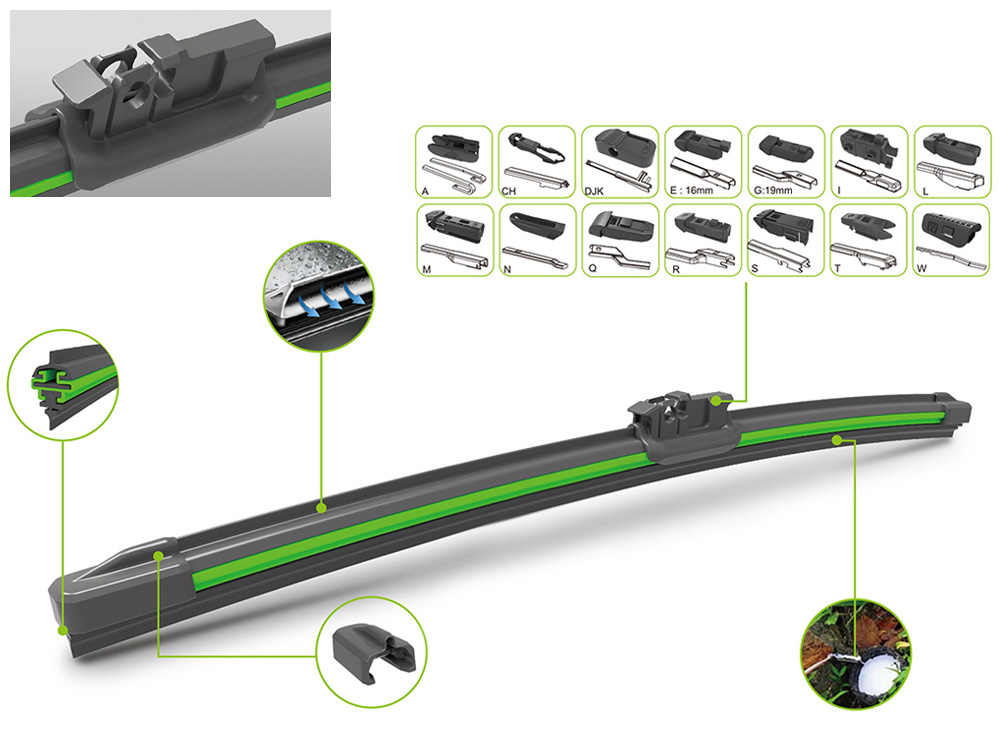
A flat wiper blade ditches the traditional external metal frame, jointed yoke, and multiple pressure points found on conventional wipers. Instead, it features a single, precision-tensioned strip of spring steel that runs the entire length of the blade. This steel spine is encased in a durable rubber or synthetic shell and topped with an integrated aerodynamic spoiler. The rubber wiping element is bonded directly onto the spine, creating a continuous, unbroken profile that hugs the curvature of your windshield with uniform force.
The absence of exposed hinges, joints, and brackets is not just an aesthetic upgrade – it completely redefines how the blade interacts with the glass. Because there is no skeleton to collect snow, ice, or debris, the flat wiper blade remains functional and flexible in the harshest conditions. This frameless design represents a leap forward in wiper technology, leaving the clunky multi-part construction of old in the past.
The secret to a flat wiper blade’s performance lies in the distribution of pressure. Traditional wipers rely on a series of metal arms and pivot points to transmit force from the wiper arm down to a handful of contact points on the blade. Over time, those pivots wear, corrode, and develop play, leading to uneven pressure, chatter, and streaking.
A flat wiper blade solves this problem completely. Its precisely curved spring steel core acts like a leaf spring, generating a perfectly even downward force across every millimeter of the wiping edge. When the blade sweeps across the glass, there are no “dead spots” where pressure dips, and no high-friction areas that cause hopping. The result is a consistent, wipe-to-wipe clarity that stays dependable mile after mile.
Above the steel spine, the integrated spoiler turns airflow into an advantage. At highway speeds, the shape of the spoiler catches the wind and converts it into additional downforce, pressing the blade even more firmly onto the windshield. This eliminates the dangerous lift that can plague conventional blades during high-speed driving in heavy rain. You get steady, silent contact whether you are crawling through city traffic or cruising at 70 miles per hour.
Winter is the ultimate test for any wiper blade. On a traditional framed blade, wet snow packs into the exposed metal framework, freezes solid, and locks the pivots. The blade becomes a rigid, skipping stick that smears rather than clears. A flat wiper blade has no external skeleton for ice to cling to. The smooth rubber shell sheds snow easily, and the internal spring steel retains its elasticity even in sub-zero temperatures. Many flat blades also use specially compounded rubber that stays pliable when the mercury drops, ensuring a clean wipe from the first frost to the last spring melt.
Chatter, squeaks, and rhythmic thumping are the telltale frustrations of an aging framed wiper. Because a flat wiper blade presses with uniform force, it avoids the micro-slips and vibrations that produce noise. The continuous wiping lip glides with a near-silent whisper. Combined with a precision-molded rubber edge, you can expect a mirror-smooth, streak-free finish on every pass – meaning fewer irritating glare spots when oncoming headlights hit your windshield at night.
If you have ever watched a traditional wiper blade float up from the glass while passing a semi-truck on a wet interstate, you understand the importance of aerodynamics. The integrated spoiler profile of a flat wiper blade is not a design gimmick; it is functional. By channeling wind force downward, the blade maintains rock-steady contact with the windshield regardless of vehicle speed or crosswinds. This high-speed stability is a crucial safety feature that gives you confidence when overtaking, driving through mountain passes, or navigating a sudden downpour on the freeway.
For many car owners, the visual upgrade is immediate and satisfying. The low-profile, curved silhouette of a flat wiper blade complements the lines of today’s aerodynamic vehicles. It replaces the bulky, industrial look of a metal frame with something smooth and integrated. When you see a pair of flat blades resting along the cowl, they look like a cohesive part of the car’s design rather than an afterthought.
The absence of metal pivots means there is nothing to loosen, corrode, or seize. The tough rubber casing shields the internal spring steel from UV radiation, road salt, and moisture – the three main culprits that degrade conventional wipers. Premium flat wiper blades are often treated with graphite or Teflon coatings on the wiping edge to reduce friction and delay wear. While the initial cost may be slightly higher than a budget framed blade, the extended service life and consistent performance make flat blades a superior long-term value.
| Feature | Traditional Wiper Blade | Flat Wiper Blade |
| Structure | Metal frame with multiple joints and pivots | Single curved spring steel spine, frameless |
| Pressure Distribution | Pressure at 4-8 fixed points, often uneven | Perfectly even pressure along the entire edge |
| Winter Performance | Ice and snow pack into frame, causing clogging and skipping | Smooth surface sheds snow and ice, remains flexible |
| Noise Level | Can develop chatter, squeaks, and knocking | Silent, smooth gliding operation |
| High-Speed Behavior | Prone to lift and chatter at highway speeds | Aerodynamic spoiler delivers additional downforce for stability |
| Aesthetics | Bulky, utilitarian appearance | Low-profile, sleek, integrated look |
| Durability | Pivots wear and corrode over time | No joints to wear, encased against the elements |
Selecting the right set of flat wiper blades involves a few simple but critical steps. An exact fit ensures all the engineering advantages translate to your windshield.
Wiper blades are not one-size-fits-all. Almost every vehicle uses a specific length for the driver side and a different length – often shorter – for the passenger side. Check your owner’s manual or measure your current blades, or use an online look-up tool by entering your vehicle’s year, make, and model. Never assume symmetry. Installing the correct lengths guarantees full windshield coverage without the blades colliding or overhanging the edge.Connector Type
The flat wiper blade must attach securely to your vehicle’s wiper arm. Common connector styles include the U-hook (the most widespread, in sizes like 9x3mm or 9x4mm), side pin, pinch tab, bayonet, and top lock. The best aftermarket flat wiper blades come packaged with multi-adapter systems that allow you to click the correct pre-loaded connector into place before attaching the blade to the arm. Always confirm the package includes an adapter compatible with your car.
The material of the wiping edge directly affects performance and longevity. Natural Rubber offers excellent initial wipe quality and is very quiet. Synthetic rubber blends can offer superior resistance to heat and UV degradation. Graphite-coated edges reduce friction for smoother operation. At the top end, silicone flat wiper blades not only wipe cleanly but also leave a microscopic water-repellent layer on the glass, actively beading rainwater and improving visibility even before the wipers need to activate. Consider a silicone or coated blade if you live in an area with extreme sun or frequent heavy rain.
Installing a new set of flat wiper blades is a straightforward DIY task that typically requires no tools and takes under five minutes.
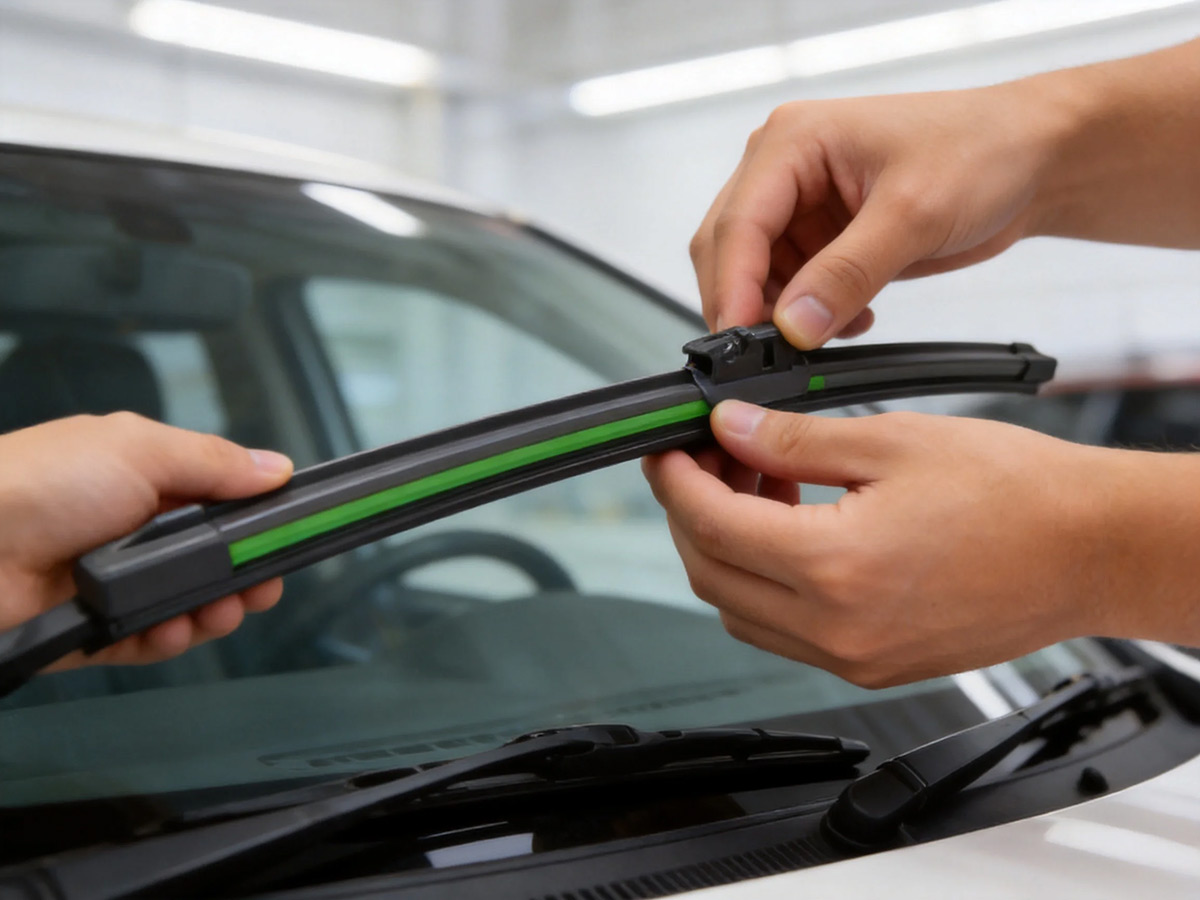
1. Prepare and Protect: Lift the wiper arm gently away from the windshield until it locks into its upright service position. Always lay a folded towel on the glass beneath the arm. If the arm accidentally snaps back, the towel will prevent a cracked windshield.
2. Remove the Old Blade: Locate the release mechanism where the old blade meets the wiper arm. It is usually a small tab, button, or clip. Press or slide it while pulling the old blade down and off the arm’s hook or pin. Set the old blade aside.
3. Adapt the New Flat Wiper Blade: Examine the new blade’s adapter system. If your vehicle uses a U-hook arm and the pre-installed adapter doesn’t match, simply snap in the correct U-hook adapter from the included multi-pack until you hear a firm click. For other connection types, refer to the packet diagram.
4. Mount the New Blade: Align the adapter with the wiper arm connection point and push the blade onto the arm firmly. You will feel and hear a reassuring click or snap, indicating the lock has engaged. Gently tug the blade to confirm it is secured.
5. Final Check and Lowering: Carefully lower the wiper arm and blade back onto the windshield. Remove the protective plastic strip from the rubber wiping edge if one is present. Activate your wipers and spray washer fluid to test for smooth, streak-free movement.
To extract the maximum lifespan and performance from your flat wiper blades, adopt these simple habits:
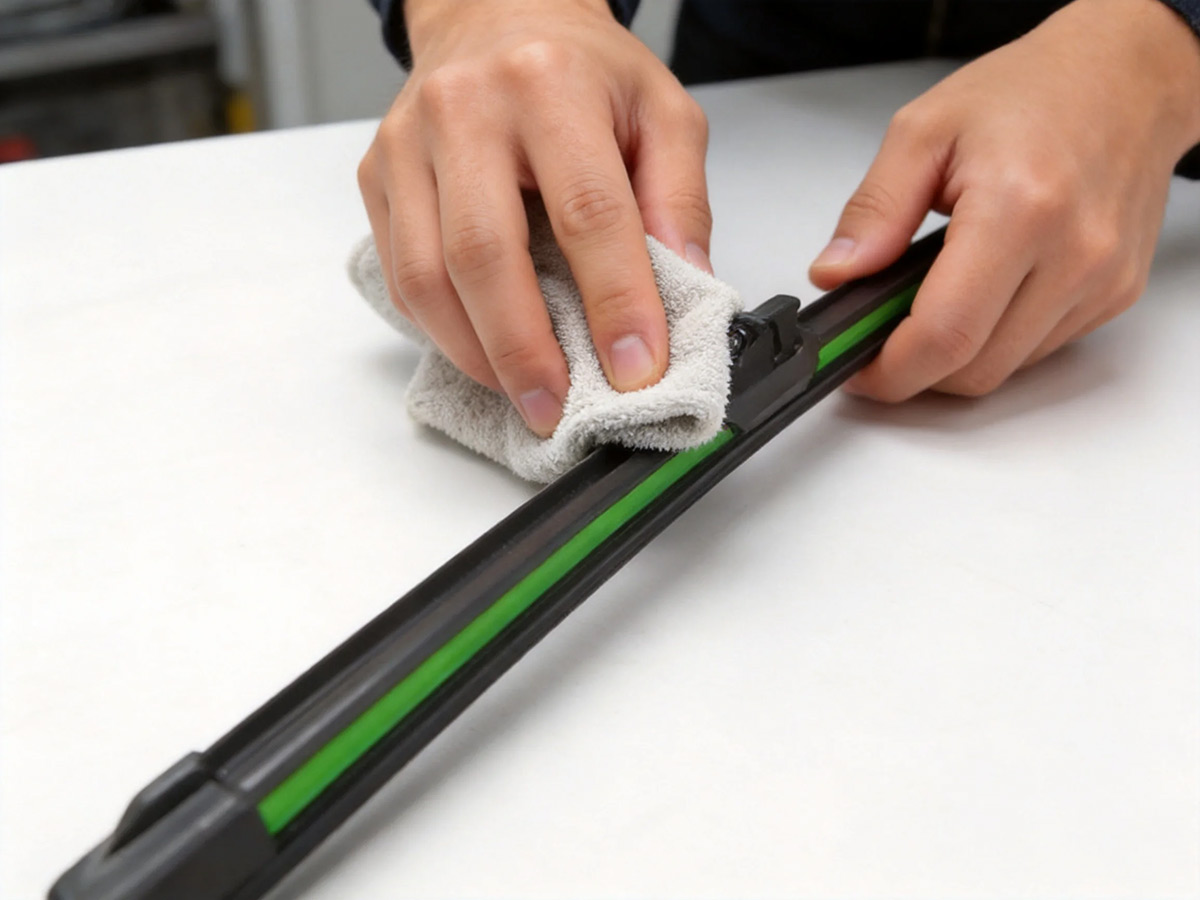
• Clean the blade edge regularly: Every couple of weeks, lift the blade and wipe the rubber lip with a damp cloth or paper towel soaked in windshield washer fluid. This removes accumulated road film, oily residue, and micro-dirt that cause streaking.
• Never run wipers on a dry windshield: Always use washer fluid to provide lubrication. Dry wiping grinds abrasive dust particles into the rubber edge and dramatically accelerates wear.
• Lift blades in icy conditions: When parking in freezing rain or snow, lift the wiper arms away from the glass to prevent the blades from freezing to the windshield. This also protects the rubber edge from being torn when you later try to free them.
• Check and replace every 6 to 12 months: Even the most durable flat wiper blade will eventually degrade due to ozone, UV light, and temperature swings. If you notice chatter, streaking, unwiped patches, or a split rubber edge, it is time for a new set. A clear windshield is essential safety equipment – don’t postpone replacement.
Yes. As long as you select the correct length and the appropriate connector adapter, flat wiper blades can be fitted to almost any car, SUV, truck, or van manufactured in the last several decades. Many vehicles that originally came with framed blades can be seamlessly upgraded.
Absolutely. Their frameless design prevents snow and ice build-up, keeping the wiping edge in constant contact with the glass. This makes them the preferred choice for drivers who face harsh winter conditions. Look for models specifically labeled “winter” or “all-season” for a rubber compound optimized for extreme cold.
First, double-check that you have removed any transparent protective sleeve from the rubber edge. Second, ensure the correct adapter was used and that the blade clicked firmly into the wiper arm. If the problem persists, clean both the glass and the blade edge thoroughly to remove invisible contaminants or polish residues.
Most manufacturers recommend replacement every 6 to 12 months. However, your local climate and usage matter. Signs that you need an immediate replacement include streaking, loud noises, skipping, or visible cracking and tearing of the rubber.
A pair of premium flat wiper blades is a small component that makes an outsized difference in your driving safety and comfort. By delivering uniform pressure, resisting the elements, and maintaining an aerodynamic profile at any speed, the modern flat blade ensures that your focus remains where it belongs – on the road ahead. No more distracting chatter, no more frozen skeletons, and no more praying that the wipers will clear that last oily smear before you merge.
Whether you are replacing worn-out originals or upgrading from an old-fashioned framed design, the switch to flat wiper blades is a simple, rewarding step that elevates your vehicle’s performance in every season. Explore our full selection of precision-engineered flat wiper blades to find the exact fit for your car, and experience the quiet, flawless clarity that only a beam blade can deliver.
This website uses cookies to ensure you get the best experience on our website.

 Portugues
 Pусский
 العربية
 中文



 WhatsApp
 Phone